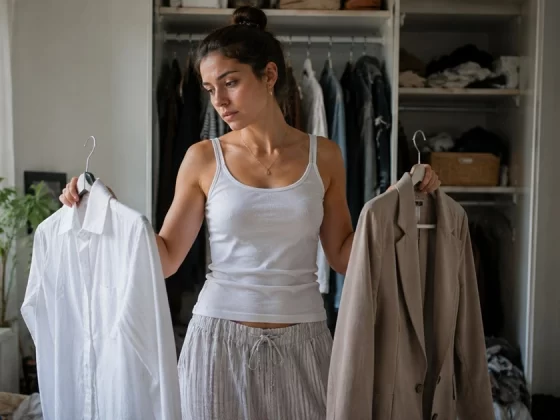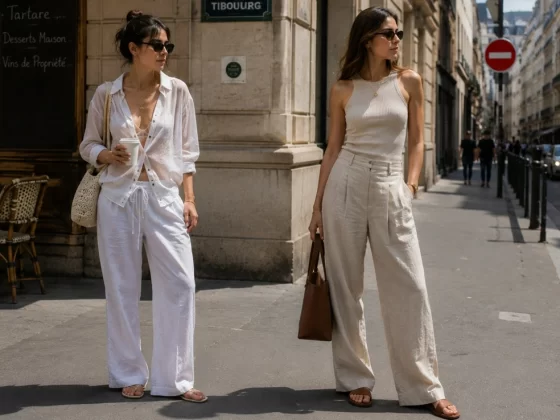
Most weekend outfit advice falls apart the moment you actually live in it.
I’ve worn the “effortless linen dress + sandals” setup, thinking it would carry me through a full Saturday. It didn’t. By mid-afternoon, I was dealing with wrinkled fabric, sticky humidity, and the quiet regret of not wearing something more forgiving.
The issue isn’t a lack of outfit ideas. It’s that most of them assume your day behaves. Mine rarely does. Yours probably doesn’t either.
So instead of stacking outfit inspiration, I’ve started relying on a small rotation of clothes that can handle sudden changes in heat, plans, and how long I end up outside the house.
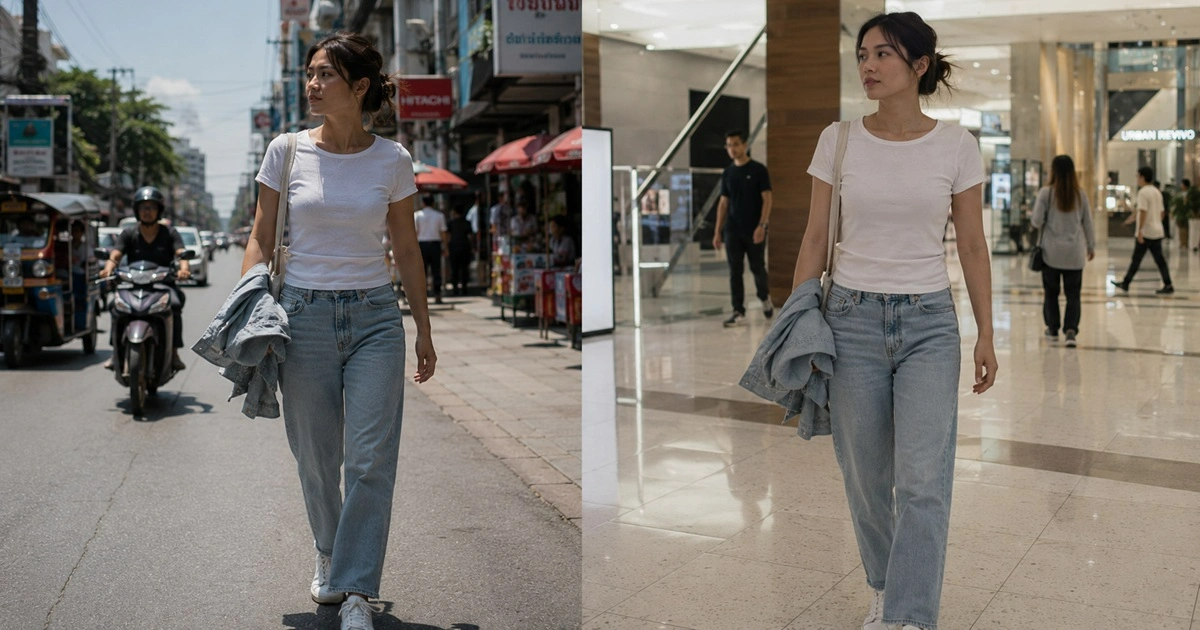
Weekends don’t stay in one lane
A “quick coffee run” turns into errands. Errands turn into mall stops. Then someone suggests dinner, and suddenly you’re stuck in the same outfit trying to stretch it across three different contexts.
Here’s what actually happens in real life:
- You leave in light clothes because it’s hot
- You end up inside air-conditioning for hours
- Your outfit either starts clinging or you’re freezing
- You sit too long, and everything wrinkles in ways you didn’t plan for
- By evening, you’re just tolerating what you’re wearing instead of feeling fine in it
That gap between “looked good at home” and “still usable at 6 p.m.” is where most outfits fail.
I stopped thinking in outfits. I think in rotations now.
Outfits feel too final. Too locked in.
What works better is a rotation — a small group of pieces that I know won’t punish me later.
Not stylish in theory. Reliable in practice.
When I’m picking clothes now, I don’t ask:
“Does this outfit look good?”
I ask:
“Will this still make sense if my day doubles in length and shifts locations twice?”
That one question changed everything.
The 5-piece rotation I actually rely on
This isn’t a capsule wardrobe fantasy. I still own a normal amount of clothes. These are just the pieces that keep showing up because they don’t fail under pressure.
1. The humidity-proof top
I’ve learned the hard way that some tops just don’t survive Southeast Asian weather. They look fine when you leave the house, then slowly turn uncomfortable once humidity kicks in.
What actually works for me:
- breathable cotton or cotton blends
- cotton poplin (this one holds shape without feeling heavy)
- lightweight cotton jersey (not the thick, stretchy kind that traps heat)
- cotton-linen blends with a light weave, not stiff linen fabric
- slightly loose fit for airflow rather than tight silhouettes
- darker tones when I know I’ll be outside longer
The biggest difference isn’t style — it’s how the fabric behaves after an hour in heat.
What I’ve noticed in real use:
Light-colored fitted tops tend to look perfect at first, then start showing sweat marks or clinging after 30–60 minutes outdoors. It doesn’t happen instantly, which is why it catches you off guard.
Polyester is the worst offender in my experience. It doesn’t breathe, so sweat doesn’t disappear — it just sits on the surface and creates that sticky, slightly clammy feeling, especially when you move between outdoor heat and indoor AC.
2. Bottoms I can sit in for 6+ hours
Weekends involve a lot more sitting than people admit. Cafés, malls, Grab rides, waiting around. That’s usually where pants start failing quietly.
What I actually reach for:
- straight-leg jeans with a small amount of stretch
- relaxed trousers in lightweight twill or cotton blends
- midi skirts that don’t twist, ride up, or need constant adjusting
The difference isn’t really style. It’s how the fabric reacts after you stop moving.
What I’ve noticed in real use:
Tight waistbands rarely feel like a problem at home. The issue shows up later — usually after lunch, when you’ve been sitting for a while, and everything starts to feel slightly restrictive.
Raw denim is the clearest example. It looks sharp early in the day, but after a long café sit or a slow afternoon indoors, it starts feeling stiff. It doesn’t flex with movement, and it traps heat around the thighs in a way you don’t notice until you stand up.

3. A layer I don’t regret carrying
Malls here feel like walking into a fridge after being outside in the heat. There’s no middle ground. You’re either sweating or freezing.
So I don’t treat a layer as optional anymore.
What I actually carry:
- lightweight overshirt (preferably cotton or chambray)
- thin denim jacket (unlined, not heavy, rigid denim)
- breathable cardigan (light knit, not wool blends)
The goal isn’t style. It’s avoiding that constant temperature swing that happens the moment you move indoors.
What I’ve noticed in real use:
I used to skip this layer a lot because it feels unnecessary when you leave the house in the heat. That decision almost always backfires.
Air-conditioning indoors doesn’t ease in gradually here. It hits immediately. You go from humid streets to cold air-conditioned spaces within minutes, and without a layer, you end up either:
- staying cold the entire time
- or rushing back outside just to warm up
Thin denim jackets are the most misleading. They look practical, but heavier versions become uncomfortable if you’re moving between locations all day. Lightweight overshirts or chambray pieces work better because they don’t trap heat when you’re outside again.
4. The “upgrade” top
This is the piece that saves me when a quiet day suddenly turns social.
It usually starts harmlessly. Coffee run, errands, nothing planned. Then someone says dinner or drinks, and suddenly your outfit has to do more than it was built for.
What I actually rotate:
- structured tank (thicker fabric, holds shape better than basic cotton tees)
- fitted knit top (lightweight, not heavy ribbed knits that trap heat)
- clean sleeveless blouse (more structured neckline, not soft lounge cuts)
The point isn’t dressing up. It’s avoiding that awkward gap where your outfit feels too “day-only” for the situation you’re suddenly in.
What I’ve noticed in real use:
A basic T-shirt works fine for low-key plans. But once the day shifts into evening settings — dinner spots, slightly nicer cafés, spontaneous meetups — it starts to feel underdressed even if nothing about the outfit is technically wrong.
It’s not about other people judging it. It’s more than you start feeling like you didn’t fully transition with the day.
Structured or cleaner-cut tops solve that without needing a full outfit change. They hold their shape better after hours of wear and don’t collapse into “lounge wear energy” by evening.
5. Shoes that don’t shrink my plans
If my shoes hurt, my entire weekend quietly collapses. I’ve learned that the hard way more than once.
What I actually rely on:
- clean sneakers (default choice for long walking days)
- supportive flat sandals (only if the straps don’t dig in after hours)
- low block heels (rare, and only when I already know I won’t be walking much)
The goal isn’t style at this point. It’s keeping my options open.
What I’ve noticed in real use:
Shoes rarely feel bad at the start. They feel fine in the first 30–60 minutes, which is exactly why they’re misleading.
The problem shows up later — usually when plans expand. A “quick coffee” turns into mall walking. A short errand turns into an entire afternoon outside.
That’s when I notice the pattern: certain shoes quietly reduce how far I’m willing to go. Not because I decide to stop walking, but because I start planning my movement around discomfort.
Sneakers are the only pair that consistently avoids that problem. Everything else comes with limits; I only realize once I’m already outside.
What actually changes when you use a rotation
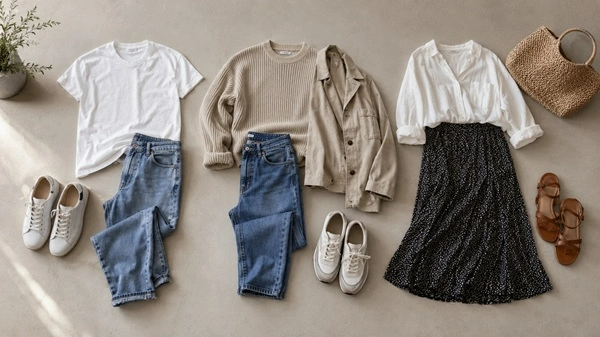
Instead of rebuilding outfits every time, I just remix pieces I already trust.
It sounds simple, but the real difference is mental load. I stop asking what looks good and start asking what still works under different conditions.
Examples I actually fall back on:
Morning errands that turn into longer walking days, mall stops, and unpredictable afternoon extensions.
Days that shift between outdoor heat and strong indoor air-conditioning without time to change outfits.
Slow weekends with mixed indoor–outdoor movement and fluctuating temperatures throughout the day.
What matters here isn’t the combinations themselves. It’s that none of them collapse when the day shifts.
What I’ve noticed in real use:
The biggest change isn’t styling — it’s stability. Before this, I used to plan outfits around a single outcome, then get stuck when the day changed direction.
Now, I’m less concerned about whether something looks different enough and more focused on whether it survives:
- longer time outside than expected
- sudden indoor–outdoor switching
- changes in how much I walk or sit
Some outfits used to fail not because they looked bad, but because they couldn’t stretch across all three situations. Rotation fixes that by making every piece part of a system instead of a one-time decision.
I’ve noticed this goes against a lot of “capsule wardrobe” advice online, which tends to focus on static outfit combinations.
But in real life, clothes don’t behave in static conditions. Temperature changes, long sitting hours, and unexpected plan shifts make dressing feel more like a movement problem than a styling one.
Where most outfit advice quietly fails
I don’t trust most “weekend outfit ideas” anymore because they leave out the parts you only notice after wearing clothes for a full day.
1. They ignore hour 5 reality
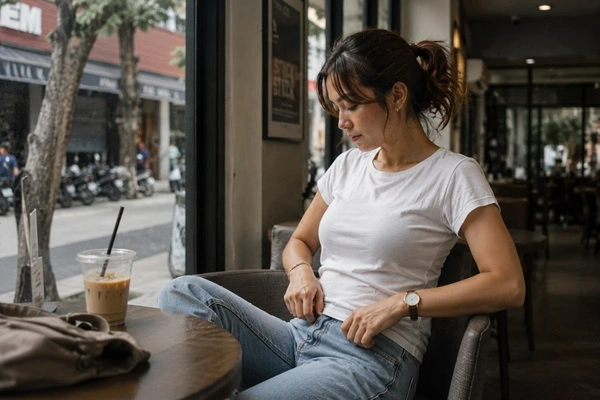
Everything usually looks fine at the start. The problems show up later, after hours of sitting, moving, and eating in the same outfit.
By that point, it’s usually a mix of:
- wrinkles from long café or car seats
- heat buildup in areas that felt fine earlier
- waistbands tightening after meals
- shoes shifting from comfortable to slightly restrictive
I’ve had outfits that felt perfect at 10 a.m. and became something I was just tolerating by late afternoon. It doesn’t fail suddenly — it degrades slowly.
2. They pretend the weather is stable
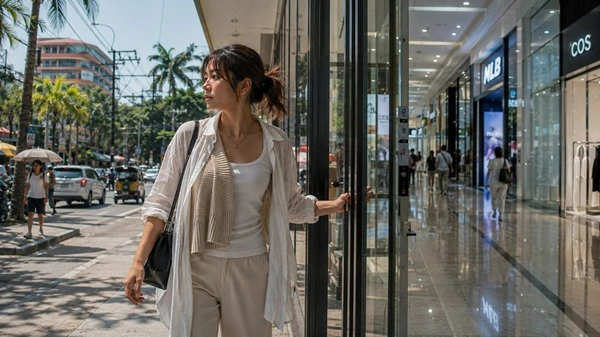
Outfit advice often assumes the day happens in one environment. In reality, it doesn’t.
A single weekend usually means:
- outdoor heat that demands breathable fabrics
- humidity or sudden rain that changes how clothes sit on the body
- indoor air-conditioning that feels like a completely different climate
Most outfits only handle one of these well. The discomfort comes from switching between all three.
3. They assume clothes are one-time decisions
A lot of advice treats outfits like one-off combinations. I don’t wear clothes like that.
I repeat pieces across weekends, and that’s where flaws show up:
- Fabric loses structure after repeated washes
- certain cuts stop feeling comfortable over time
- pieces that looked fine start feeling unreliable in real use
When something fails consistently, I stop reaching for it — no overthinking.
Final thought on Weekend Outfit Ideas for Women
I stopped chasing “perfect weekend outfits” because they don’t hold up once the day stops behaving.
What actually works is a small rotation of clothes that don’t start falling apart after a few hours of heat, sitting, and plan changes. I don’t care anymore if every outfit feels different or interesting. I care if it still feels fine at hour five, when I’m moving between places, sitting too long, or dealing with changing temperatures.
Most outfits don’t fail immediately. They fail slowly. That’s the part I stopped ignoring.
Takeaway
Before I add anything to my rotation, I run a simple check in my head:
Can I wear this through a full, unpredictable day — sitting, walking, eating, moving between heat and air-conditioning — without needing to adjust it constantly or change it halfway through?
If the answer feels uncertain, I don’t buy it. I don’t keep it in rotation. I move on.
That single filter removes most of the “looks good but doesn’t work” pieces before they ever reach my wardrobe.