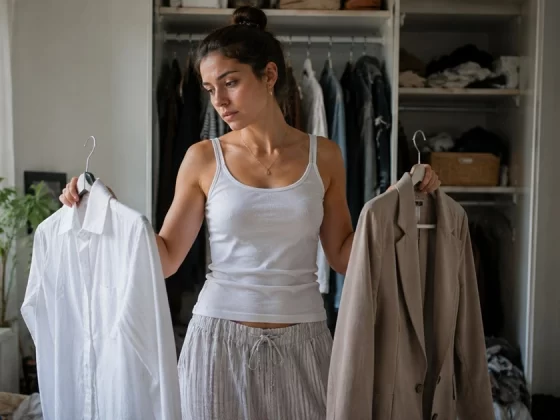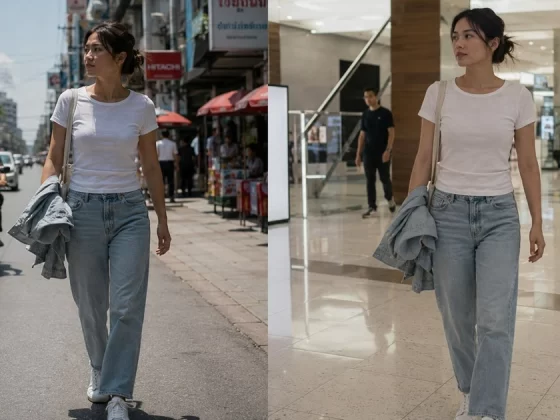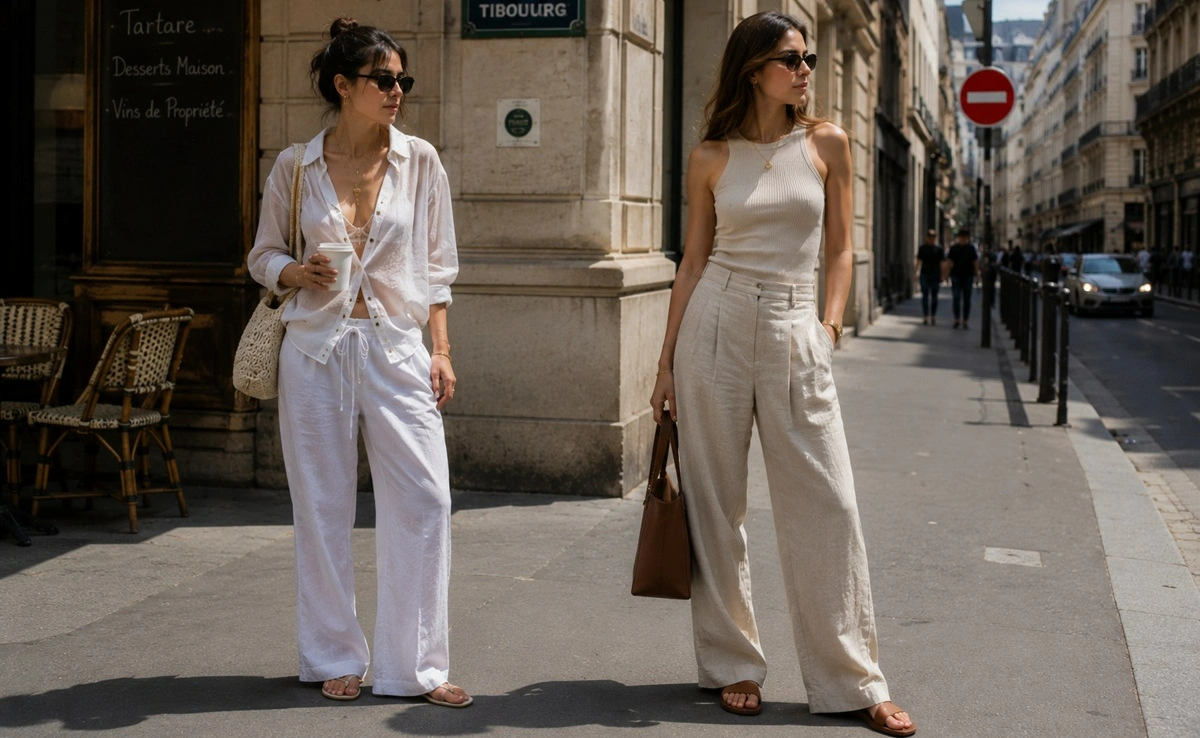
Honestly, most summer outfits only look good for the first ten minutes.
You’ll see someone online wearing oversized linen, tiny sunglasses, layered necklaces, and barely-there sandals. The photo looks expensive. Then you try a similar outfit outside in actual heat, and the whole thing falls apart fast; the shirt wrinkles in the car. The white fabric turns see-through in sunlight. The sandals start looking flimsy instead of minimal.
A lot of trendy summer styling is built for photos. Not for walking outside at 2 PM when it’s humid and your clothes are sticking to your back.
That’s the disconnect most fashion articles ignore.
The summer outfits that actually look polished in real life usually rely on:
- better fabric
- cleaner proportions
- fewer accessories
- clothes that survive movement and heat
Not trend overload.
Chic summer outfits often look cheap in real life because they are designed for photos, not real-world wear. Thin fabrics become transparent in sunlight, cheap materials lose their structure in heat, and over-styling makes outfits look cluttered rather than effortless.
Thin Fabric Is Usually the Problem
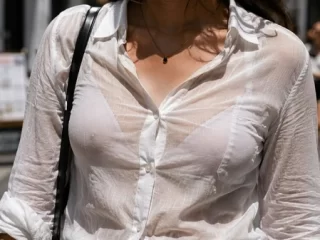
I’ve noticed a lot of people mistake “lightweight” for “high quality” during summer. Brands know this, too. That’s why so many cheap summer clothes are made from ultra-thin fabric that looks airy online but feels terrible outside.
White clothing exposes this immediately.
I’ve tried on linen-blend shirts indoors that looked clean and expensive under soft lighting. Then I stepped outside and realized the fabric was almost transparent in direct sunlight. Same thing with ribbed dresses and thin skirts that cling awkwardly once humidity kicks in.
What actually works better:
- structured cotton
- lined skirts and dresses
- matte fabrics instead of shiny synthetics
- thicker ribbed materials with some weight
Cheap polyester usually gives itself away outdoors. Especially in sunlight.
A lot of vintage summer clothing was made from denser cotton poplin, heavier linen, or tightly woven natural fibers because those fabrics handled heat and repeated wear better. Modern fast fashion usually prioritizes softness and drape first, even if the fabric loses structure quickly outdoors or starts looking flat in direct sunlight.
Wrinkles Ruin Outfits Faster Than People Admit
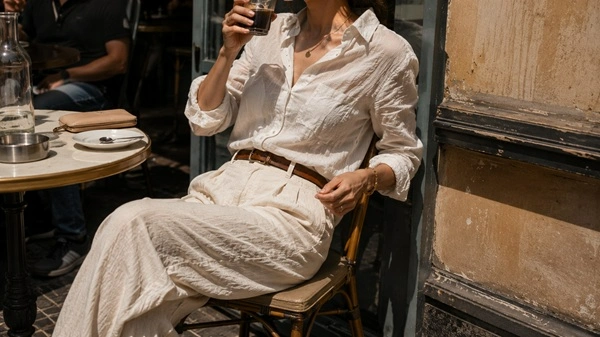
Pinterest outfits always look freshly steamed because they basically are.
Real life is different. You sit down once, and suddenly your “quiet luxury” linen pants look like they’ve been stuffed in a gym bag for three hours.
Not all wrinkles look bad, though. Stylists usually compensate for this during shoots with steamers, clips, and controlled lighting. Real-world wear exposes fabric quality much faster.
I’ve noticed good linen wrinkles softly and still feels intentional. Cheap linen blends crease sharply and hold every fold. That’s usually the difference between an outfit looking relaxed versus messy.
One mistake I keep seeing: people wear too many soft fabrics together.
For example:
- oversized linen shirt
- loose drawstring pants
- slouchy sandals
- unstructured tote
Individually, those pieces are fine. Together, the outfit loses shape completely.
A better balance:
Oversized button-down + slouchy shorts
Oversized button-down + tailored linen trousers
Loose linen pants + oversized linen shirt
Loose linen pants + fitted ribbed tank
Flowy dress + floppy sandals
Flowy dress + structured leather sandals
Summer outfits usually look more expensive when one part adds structure.

Over-Accessorizing Makes Outfits Look Forced
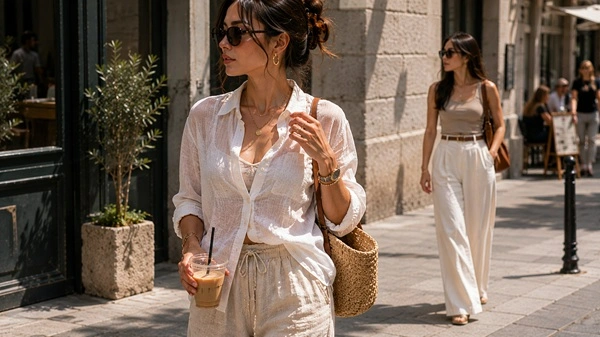
This trend is getting out of hand a little.
Some summer outfits now include:
- stacked necklaces
- chunky bracelets
- oversized sunglasses
- scarves
- woven bags
- statement earrings
All at once.
Instead of looking effortless, the outfit starts looking assembled for content.
I’ve found that summer outfits usually look stronger when one thing stands out. Maybe it’s the sunglasses. Maybe it’s the bag. Maybe it’s the shape of the dress. But when every piece is fighting for attention, the outfit starts feeling noisy outdoors.
Especially in daylight.
Quick rule:
The hotter the weather gets, the simpler the styling should become.
That doesn’t mean boring. It just means edited.
Some Colors Look Cheap Outside
Indoor lighting hides a lot. Sunlight doesn’t.
Certain colors instantly expose low-quality fabric once you step outdoors.
The biggest offenders:
- bright optic white
- neon shades
- thin pastel fabrics
- heather gray
Heather gray is especially brutal in summer because sweat shows almost immediately. Thin white fabric can also turn semi-transparent fast once sunlight hits it.
Fabric weight matters more than most people realize during the summer. Lightweight linen-viscose blends tend to drape nicely indoors but lose structure fast in humidity. They wrinkle unevenly and can start looking limp after an hour outside. Heavier flax linen usually performs better because the weave holds shape more naturally, even once it creases.
I’ve had much better luck with:
- cream instead of bright white
- olive tones
- chocolate brown
- muted navy
- warm beige
Those colors usually hold depth better outdoors and make fabric look more expensive.
Summer Fit Problems Become More Obvious
Winter lets people hide bad proportions under layers. Summer doesn’t.
When you’re only wearing shorts and a tank top, every fit issue becomes noticeable immediately.
I see this happen constantly with:
- oversized shirts swallowing body shape
- shorts cutting awkwardly at the thigh
- dresses pulling at seams
- armholes gaping strangely
- ultra-tight ribbed fabrics showing everything underneath
Even expensive clothing can look cheap if the fit feels slightly off.
What tends to work better:
- relaxed bottoms with cleaner tops
- oversized shirts with structured shorts
- slightly loose dresses with sharper accessories
Balance matters more than trends during summer.
Texture Is What Actually Makes Outfits Look Expensive
Most trend articles obsess over colors and aesthetics. Honestly, texture matters more. Especially outside.
Open weaves and ultra-thin synthetic blends tend to flatten out in harsh sunlight, which is why some outfits suddenly look cheaper outdoors than they did indoors.
A lot of fast-fashion summer pieces are intentionally made thinner to reduce production costs and improve drape in product photos. The downside is that harsh daylight tends to expose weak texture and cheap finishing almost immediately.
When I see summer outfits that look genuinely polished, they usually combine different textures instead of relying on loud styling.
Some combinations that work:
-
- crisp cotton with smooth leather
- matte linen with subtle jewelry
- woven bags with structured fabrics
- soft dresses with sharper sandals
Cheap outfits often fail because everything has the same thin synthetic texture. The outfit ends up looking flat under sunlight.
Texture creates depth without needing extra accessories.
The Best Summer Outfits Usually Feel Slightly Understyled
This sounds backward, but it’s true.
The people who dress best during summer rarely look overdone. Their outfits feel easy. Clean. Comfortable. Nothing looks overly coordinated.
That matters because heat exposes every bad styling decision:
- uncomfortable shoes
- stiff fabrics
- heavy layering
- too many accessories
- impractical bags
I’ve worn outfits before that looked great in the mirror but became exhausting after an hour outside. Constant adjusting ruins confidence fast.
The best summer outfits are usually the ones you stop thinking about once you leave the house.
Final Thoughts
Most summer outfits don’t fail because they’re unfashionable. They fail because they were never built for real life in the first place.
The internet keeps rewarding outfits that photograph well for five minutes indoors. But outside, heat exposes everything fast — cheap fabric, awkward fit, overstyling, uncomfortable shoes, all of it.
The people who consistently look good during summer usually aren’t wearing the trendiest outfits either. Their clothes just hold up better throughout the day. Better texture. Better balance. Less effort that feels forced.
That’s usually what makes an outfit look expensive in real life.
Practical Takeaway
Before buying summer clothes, check them in natural daylight instead of indoor lighting. Thin fabrics, transparency issues, weak stitching, and poor fabric blends usually show up immediately outside. If something looks slightly off in daylight, it will almost always look worse after a few hours of wear.