Most summer bag reviews happen before anyone has actually used the bag.
That’s the problem.
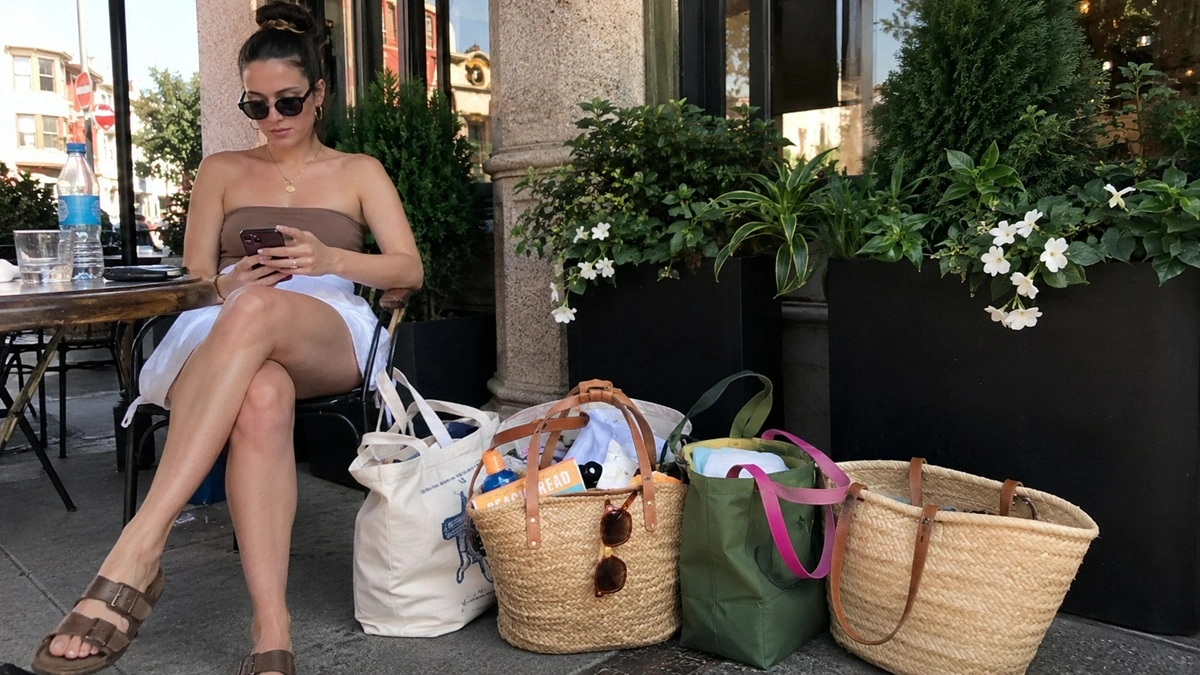
A raffia tote can look incredible on a product page. So can a woven beach bag or a cream-colored canvas carryall. But after a full summer of sunscreen spills, airport security lines, beach trips, sudden rain showers, and everyday errands, some bags hold up far better than others.
Over the past few summers, I’ve noticed a pattern. The bags that get the most compliments aren’t always the bags I reach for most often. In fact, some of the most photogenic summer bags become surprisingly annoying after a few weeks of real use.
Straps start digging into shoulders. Sand gets trapped in woven corners. Light fabrics pick up stains. Open-top totes become frustrating during travel.
That’s why this guide isn’t focused on trends.
Instead, I’m looking at summer bag materials through the lens of ownership. Which bags stay comfortable? Which materials are easiest to clean? Which styles become frustrating over time? And which ones are still worth carrying after 90 days of heat, travel, sand, and daily use?

How I Evaluated Summer Bag Materials
Rather than judging bags based on appearance, I focused on the things that usually matter after purchase.
Evaluation Criteria
| Category | What I Looked For |
|---|---|
| Comfort | How the bag feels after several hours of carrying |
| Cleaning | How easily stains, dirt, and sunscreen come off |
| Durability | Resistance to fraying, stretching, and wear |
| Travel Friendliness | Performance in airports, hotels, and crowded spaces |
| Weather Resistance | Ability to handle heat, humidity, and light rain |
| Security | Protection for valuables during travel |
Friction Score: The Problems Most Reviews Ignore
| Material | Style Score | Comfort Score | Cleaning Difficulty | Travel Friendliness |
|---|---|---|---|---|
| Canvas | 7/10 | 8/10 | Easy | 9/10 |
| Nylon | 6/10 | 9/10 | Very Easy | 10/10 |
| Raffia | 9/10 | 6/10 | Difficult | 5/10 |
| Straw | 8/10 | 5/10 | Difficult | 4/10 |
| Mesh | 7/10 | 8/10 | Easy | 7/10 |
The interesting part is that the materials ranking highest for style often scored lower in everyday usability.
What I Learned After Carrying Different Summer Bag Materials
One thing surprised me.
The bags I used most often weren’t necessarily the bags I liked most at first.
Last summer, I alternated between a woven raffia tote and a simple canvas carryall. The raffia bag looked better in photos and felt more seasonal. But by the end of summer, I found myself reaching for the canvas bag almost every day.
Why?
Because it was easier.
It handled sunscreen stains better. It felt more comfortable when carrying a water bottle. It worked at the beach, in the city, and at the airport without needing special care.
That’s something many shopping guides overlook. Convenience often wins over aesthetics after a few months.
Canvas Bags: The Material I Kept Reaching For
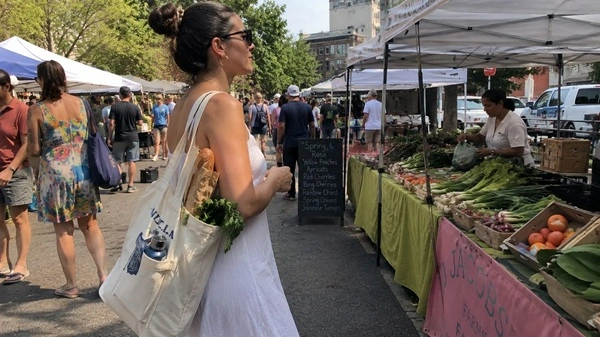
Canvas isn’t the most exciting option. It may not dominate social media feeds or trend reports. But it’s the material I consistently found easiest to live with.
What Worked
- Easy to spot clean
- Durable enough for daily use
- Comfortable under heavier loads
- Suitable beyond summer
One thing I noticed was how forgiving canvas could be. After a beach trip, sunscreen transferred onto the side of my tote. A damp cloth removed most of it within minutes.
That wouldn’t have been nearly as easy with raffia or straw.
What Didn’t
- Light colors stain quickly
- Heavier than nylon
- Can look casual depending on the design
Even with those drawbacks, canvas was the material I trusted most for everyday use.
Nylon Bags: The Unexpected Winner for Travel
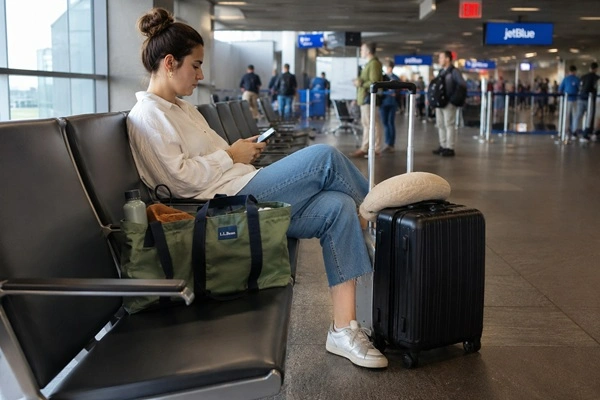
If I had to choose one material for a week-long vacation, I’d probably pick nylon.
Not because it’s the most stylish.
Because it creates the fewest problems.
During a recent airport trip, I carried both a woven tote and a lightweight nylon bag at different points. Before I even packed them, the weight difference was noticeable.
By the end of the day, it was obvious.
What Worked
- Lightweight construction
- Easy cleaning
- Water resistance
- Excellent for long walking days
What Didn’t
- Less seasonal appearance
- Doesn’t always feel premium
For travel-heavy summers, nylon deserves more attention than it gets.
Raffia Bags: Beautiful but More Demanding Than Most Shoppers Expect
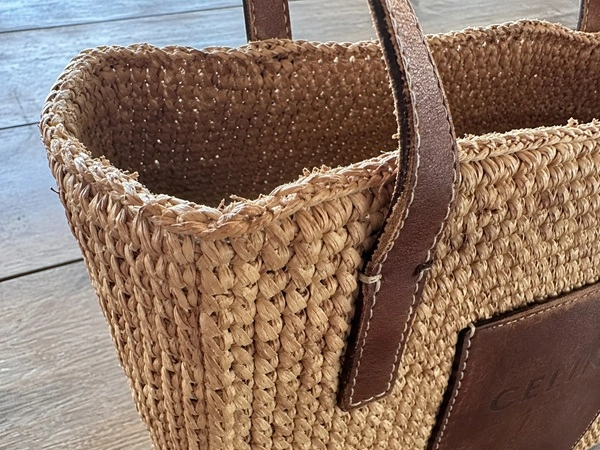
I understand why raffia bags dominate summer fashion. They instantly create a relaxed warm-weather look. The problem is that many reviews stop there.
What Worked
- Strong visual appeal
- Lightweight feel
- Distinct summer styling
What Didn’t
- Snagged lightweight clothing
- Difficult to clean
- Sensitive to moisture
- Lost shape when stored poorly
One thing that surprised me was how much storage affected durability. A raffia bag compressed in a crowded closet for several weeks never completely returned to its original shape.
That’s not something most buyers think about until it happens.
Straw Bags: Great for Occasional Use
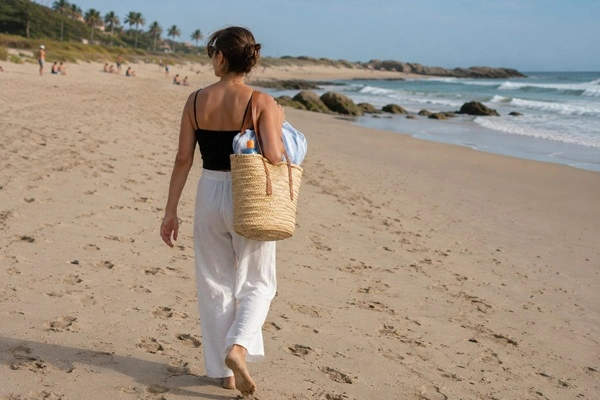
Straw bags create the classic vacation aesthetic.
I just wouldn’t choose one as my primary summer bag.
What Worked
- Lightweight
- Visually appealing
- Perfect for short outings
What Didn’t
- Frayed more quickly than expected
- Performed poorly around moisture
- Showed wear faster than canvas or nylon
For occasional beach trips, straw works.
For everyday use, there are better options.
The Ownership Timeline: What Actually Happens After 90 Days of Use
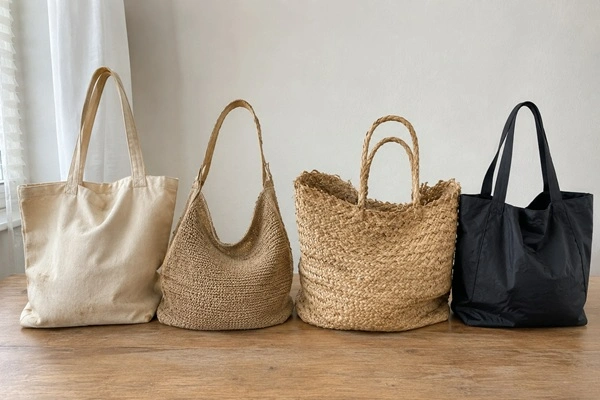
Most summer bag reviews evaluate a bag when it’s brand new.
That’s easy.
Almost every bag looks good during the first week.
The real test starts after you’ve carried it through hot afternoons, packed it for weekend trips, tossed it into the back seat of your car, and exposed it to sunscreen, sweat, sand, and everyday wear.
Here’s what I’ve noticed tends to happen over a typical summer.
Week 1: Everything Feels Like a Great Purchase
At this stage, nearly every bag looks impressive.
The structure is crisp. The material feels fresh. Colors are clean and vibrant.
This is also the point where many shopping decisions are made based on appearance alone.
The problem is that very few durability issues have had time to show up yet.
Week 4: Small Annoyances Start Appearing
This is when I usually begin noticing differences between materials.
Light-colored canvas starts picking up dirt around the bottom corners. Raffia bags may develop small loose fibers around stress points like handles and edges. Open-top totes become less appealing if you’ve been carrying them in crowded areas.
Comfort also becomes easier to judge.
A strap that felt perfectly fine during a quick try-on session can feel completely different after carrying a full bag for several hours.
Week 8: The Maintenance Gap Becomes Obvious
By the second month, some bags start demanding more attention than others. This is where practical materials usually pull ahead.
Canvas and nylon bags generally continue looking good with minimal effort. Raffia and straw often require more careful storage and cleaning. Small stains that seemed insignificant earlier can become difficult to remove if left untreated.
This is also the point where shape retention becomes important. A bag that collapses when stored or loses structure after repeated use often starts looking older than it actually is.
Week 12: You Discover Which Bags You Actually Like
By the end of summer, the most-used bag is rarely the one that looked best on day one. It’s usually the one that created the fewest problems. The bags that stay in rotation tend to be lightweight, easy to clean, comfortable to carry, and versatile enough to work in different situations.
At this stage, practical factors like durability and comfort matter far more than trends. That’s why some bags become long-term favorites while others quietly disappear into the back of a closet.
The Most Annoying Summer Bag Problems Nobody Talks About
Most fashion guides focus on what makes a bag attractive. I think it’s equally useful to talk about what makes a bag irritating. These are the problems I’ve encountered most often.
Sand Gets Into Places You Didn’t Know Existed
If you’ve ever brought a woven bag to the beach, you’ve probably experienced this. Sand doesn’t just settle inside the main compartment. It works its way into seams, corners, interior pockets, and woven sections that are difficult to clean thoroughly.
Even after shaking out the bag multiple times, fine grains often remain. It’s a small issue until you realize you’re still finding sand weeks later.
Thin Straps Feel Fine Until They Don’t
This is one of the most overlooked design flaws. A bag can feel perfectly comfortable when it’s empty.
The experience changes once you add a water bottle, sunscreen, sunglasses, a wallet, and a few other daily essentials. Thin straps concentrate weight into a smaller area, which can create shoulder discomfort surprisingly quickly. I’ve found that wider straps almost always feel better during long days out.
Open Tops Become Stressful While Traveling
Open-top totes look relaxed and effortless. They’re less enjoyable in airports, train stations, and crowded tourist areas. I’ve noticed that I spend more time checking whether my belongings are still secure when carrying an open bag compared to a zippered design.
This isn’t necessarily a deal-breaker, but it’s something many shoppers don’t think about until they’re already traveling.
Oversized Bags Encourage You to Carry Too Much
Large bags solve one problem and create another. The extra space makes it tempting to pack items you probably don’t need.
- A spare sweater.
- An extra water bottle.
- A notebook.
- A charger.
- A snack.
Before long, a lightweight summer tote becomes surprisingly heavy.
Many people assume a bigger bag will be more useful. In reality, moderate-sized bags are often more comfortable because they naturally limit overpacking.
Summer Bags I Wouldn’t Buy Again
This doesn’t mean these bags are bad. It simply means they didn’t perform as well as I expected over time.
Very Large Open-Top Raffia Totes
These bags photograph beautifully and instantly create a summer look. The downside is that they’re often impractical in everyday situations. The combination of a large interior and no secure closure makes them less convenient for travel, public transportation, and crowded environments.
They’re excellent beach bags. They’re not always excellent everyday bags.
Delicate Straw Bags
I’ve owned straw bags that looked fantastic during the first few weeks of summer. The challenge was maintaining that appearance. Repeated use often led to fraying edges, small cracks, or structural changes that made the bag feel older than it actually was.
For occasional use, they work well.
For daily use, I generally prefer materials that require less maintenance.
White Fabric Bags Without Washable Linings
Few bags look fresher at the beginning of summer than a crisp white tote. Unfortunately, they’re also among the quickest to show wear.
Sunscreen, makeup, coffee, dirt, and general everyday use can leave visible marks surprisingly fast. Without a washable lining or easy-clean fabric, keeping them looking new requires more effort than many people expect. They’re beautiful when maintained properly.
The problem is that most people don’t want another item that requires constant maintenance during summer.
Final Verdict: What Actually Works?
After a full summer of use, I found myself prioritizing three things over everything else:
- Comfort
- Durability
- Ease of maintenance
The bags that delivered those qualities stayed in rotation. The bags that prioritized aesthetics above everything else gradually stopped getting used. That’s the biggest lesson I learned.
A summer bag doesn’t need to be perfect. It just needs to survive real life. And in my experience, the bags that survive real life are usually the ones worth buying.
Key Takeaway
After a full summer of use, comfort, durability, and ease of cleaning matter more than trends. While raffia and straw bags deliver the classic summer look, canvas and nylon bags are often the materials women continue reaching for because they handle travel, heat, stains, and everyday wear more effectively.